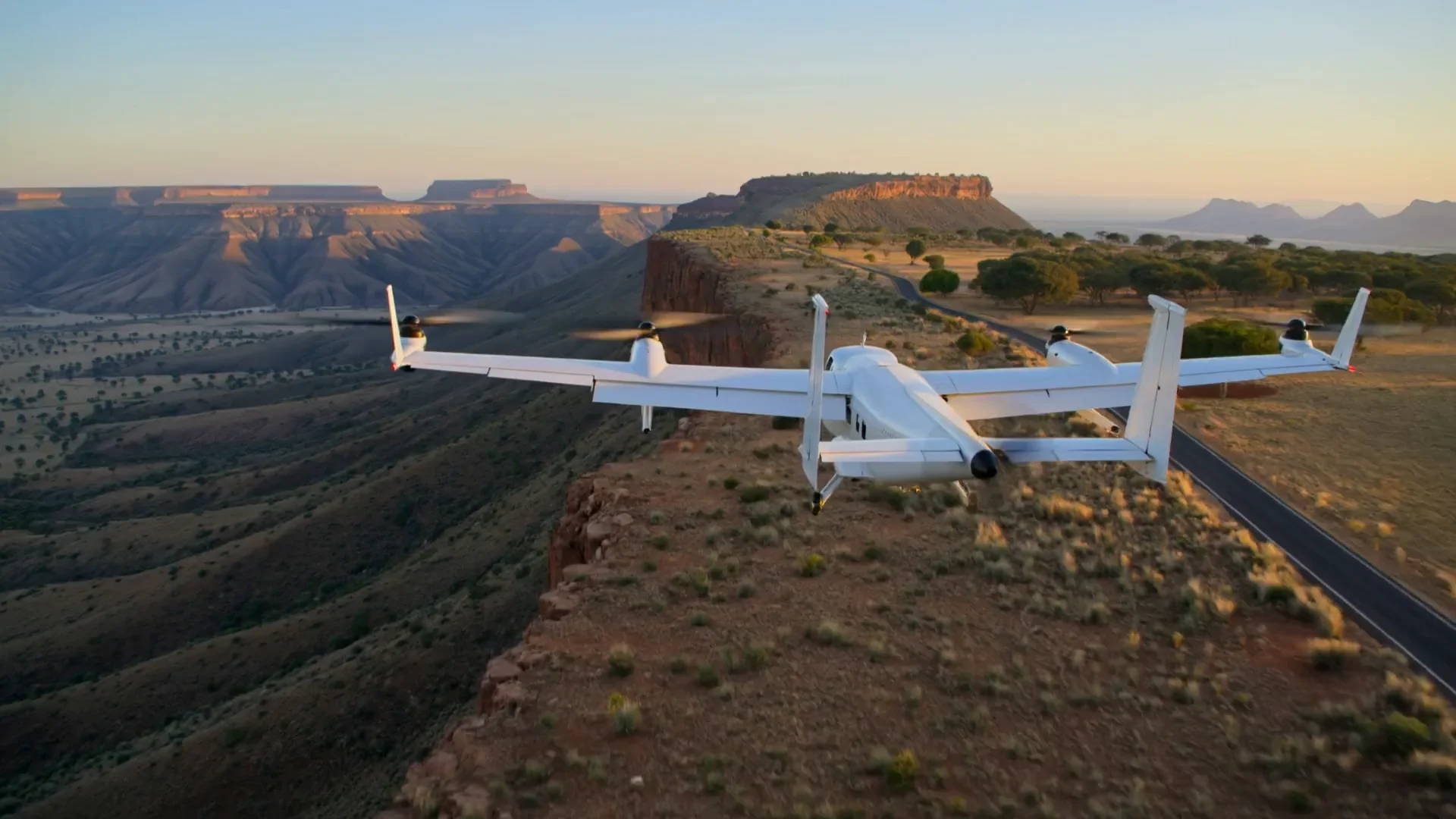
Critical cargo.
A more direct route.

Developing the aircraft network and software for urgent, small-cargo deliveries.

Our aim is a direct route for blood, specimens and essential parts. We’re building a delivery network around South African clinics, laboratories and mine sites, coordinated from a central hub.

Have a recurring delivery problem? Help shape the first routes.

A direct connection.
Where it matters.

From a shared hub to a clinic, a laboratory or a remote site. The network we’re working towards keeps small, urgent cargo moving.

Direct delivery routes from a shared hub An illustrative network connects one hub to a clinic, a laboratory and a mine site. Moving cargo markers explain the idea; they are not live aircraft or recorded flight data. ClinicLaboratoryMine site Shared hub
Delivery concept · illustrative routes

From a booking
to a fleet view.

The operations software now brings delivery requests, aircraft and custody records into one workspace.

In development · supporting up to twelve registered aircraft

Keep the delivery record together

Register collection and delivery sites, book cargo with its weight and handling requirements, and record custody changes. Exceptions and staff actions remain in the delivery history.

Review the whole journey

Route proposals include collection, delivery and the return to the hub. They retain the aircraft and site information used, flag planning constraints and show what still needs validation.

See aircraft connection status

ArduPilot telemetry integration can receive signed aircraft updates and show stale or disconnected links. Operator, supervisor and administrator roles separate responsibilities.

The workspace is still being qualified. A booking, route proposal or telemetry connection does not authorize a flight; operational departure remains blocked until mission execution is validated.

Small deliveries.
A lot depends on them.

A sample awaiting collection. Blood needed at a clinic. A replacement part on the other side of a mine. We’re focused on the journeys where waiting matters.

Health & laboratories

A sample is ready, but collection is hours away. We’re exploring routes for blood, diagnostic specimens and medicines where the road journey or collection schedule causes delays.

Where does a sample wait longest?

Mines & remote sites

A small part can hold up a whole shift. We’re exploring routes for assay samples, filters, seals and essential parts between stores and remote working areas.

Which small delivery stops work?

Our proposed delivery model

  1. 01

    Define the route

    Understand the cargo, facilities, frequency and handling requirements.

  2. 02

    Plan the mission

    Evaluate routes, capacity, energy reserves and operating constraints.

  3. 03

    Supervise the fleet

    Coordinate aircraft from the hub, with visibility into missions and exceptions.

  4. 04

    Confirm delivery

    Record the handover so the team can confirm what arrived and when.

Software evidence.
Clear limits.

The operations platform is supported by a custom fleet model and separate ArduPilot tests. Aircraft performance still needs field evidence.

Download the recorded data

The original six-aircraft model

The model coordinates six aircraft, reserves flight corridors and checks battery levels. It completes 72 deliveries while handling three simulated events: command-link loss, a wind gust and motor loss.

Recovery is part of the work

Automatic handling doesn’t mean every aircraft flies home. In the motor-loss scenario, one aircraft lands for recovery while the remaining fleet completes the deliveries.

Twelve-instance ArduPilot testing

A separate test completed twelve simulated sorties using ArduPilot. With three injected interruptions, nine completed and three remained flagged for reconciliation. These tests use separate short-route physics worlds without a calibrated cargo load; they do not validate shared airspace or the 5 kg / 50 km target.

Still to be qualified

Aircraft performance, operational mission execution, sustained service reliability and deployment recovery remain under validation. Field testing and operating approvals are still required.

The aircraft we’re
working towards.

A 5 kg payload and facilities within a 50 km hub radius are the current engineering targets. They are not yet validated aircraft capabilities.

5 kg

Target delivered payload

50 km

Target radius from the hub

Range starts with the return journey.

A route at the edge of the target radius means at least 100 km out and back, before detours. Airframe selection, cargo assumptions and energy reserves must support the whole mission.

Now: aircraft feasibility

Select an airframe and establish whether it can carry the cargo with enough energy for the full mission.

In progress: ArduPilot integration

Build on telemetry integration and twelve-instance simulation tests to validate operational mission execution against the selected aircraft.

Before launch: field evidence & approvals

Validate the aircraft and operating procedures, then obtain the approvals required for real routes.

Tell us where
the road takes
too long.

Have a route in mind?

We’d like to hear from laboratories, health services and mines with a recurring delivery problem, and partners who can help solve it.

Give us a starting point:

The route
Collection and delivery locations
The cargo
What needs to move and its typical weight
The timing
How often it travels and where delays occur

This starts a route conversation. Commercial flight operations have not launched.